
- Products & PPE
- Harnesses
Harnesses
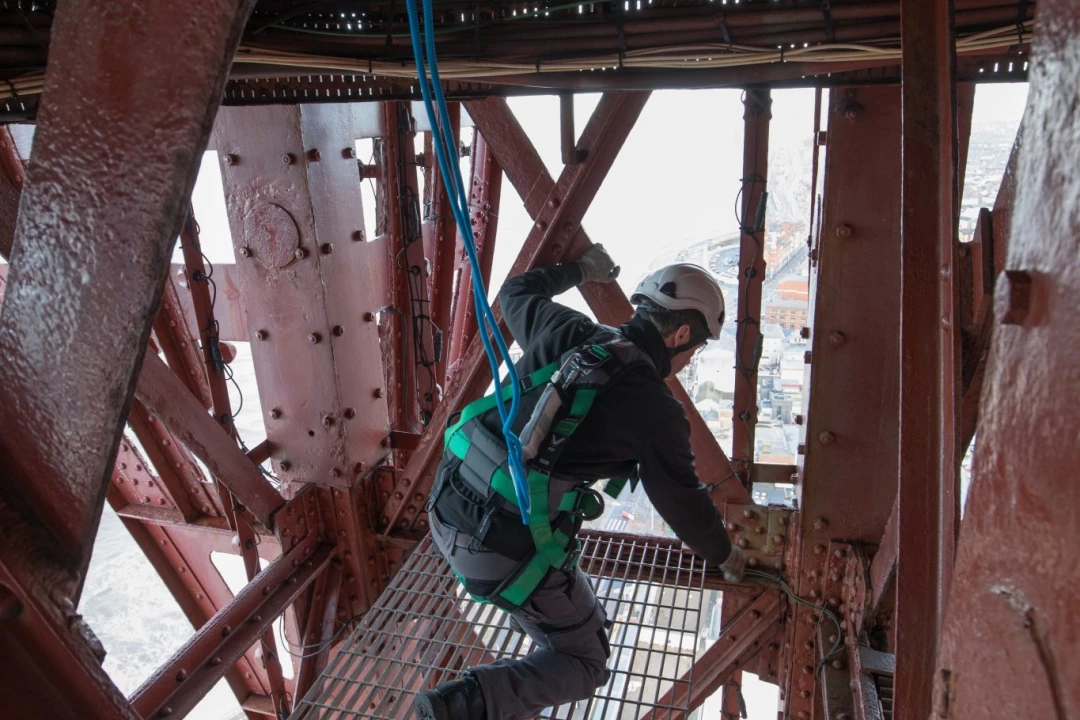
When planning to work at height, measures must be taken to ensure the area is safe and the risk of falling is reduced to a minimum.
The hierarchy of controls is laid out by the Working at Height Regulations 2005 and aims to eliminate or guard the risk. However, this is not always an option. The last protection measure is to ensure that the worker is protected by the correct use of PPE such as a safety harness.
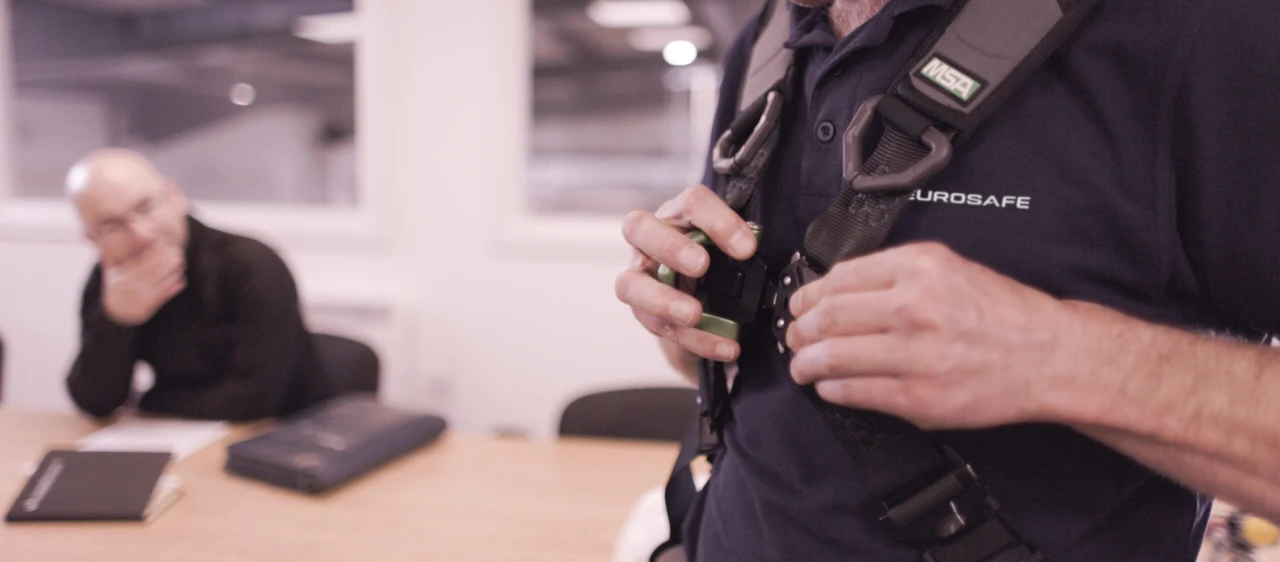
Eurosafe offers a wide range of harness options. There are a lot of key features across the board, such as the harnesses being fully adjustable, 1 or 2 point, and lightweight.
We have options from a range of big brands, such as MSA Latchways, Petzl, IKAR and Skylotec.
One-point Harness - At a minimum, a fall arrest harness will feature a fall arrest attachment point designed to comply with EN361 and which will be either be positioned: Dorsal - on the back of the harness, Sternal – on the chest.
Two-point Harness - These will feature fall arrest points on both the back and the chest.
Four-point Harnesses - In addition to the two fall arrest points, these harnesses may also feature positioning points designed to comply with EN358. These are usually on the waist belt and are different to the fall arrest points. Confirmation of these points can be found in the user instructions supplied with the equipment.
Five-point Harnesses - Designed for personal suspension and will have an additional attachment point at the waist. This is known as the ventral attachment point and is designed to comply with EN813.
Always refer to the manufacturer’s instructions for identification of fall arrest attachment points. All fall arrest devices must be attached to a recognised fall arrest point on a harness. Do not use other points to attach a fall arrest device.
Frequently Asked Questions
A safety harness is a type of personal protective equipment (PPE) designed to prevent injury when working at height. It secures the wearer to an anchor point as part of a fall protection system, helping to stop or limit a fall and reduce impact forces.
The cost of a safety harness varies depending on the type, features, and compliance standards. Basic harnesses are typically lower cost, while specialist options - such as work positioning or rope access harnesses - are more advanced and priced accordingly. Contact us about pricing and what potential discounts apply to your situation.
The lifespan of a safety harness typically ranges from 5 to 10 years, depending on the manufacturer, frequency of use, and working conditions. Regular inspections are essential, and any harness showing signs of damage must be removed from service immediately. Learn more about PPE inspection we provide.
A safety harness works by distributing the forces generated during a fall across the body, reducing the risk of serious injury. It connects to a fall arrest system (such as a lanyard or lifeline), which stops the fall safely and limits impact. Contact us for advice.
To put on a safety harness:
Hold the harness by the dorsal (back) D-ring and shake it out
Step into the leg straps
Pull the shoulder straps over your shoulders
Fasten and adjust chest and leg straps
Ensure a snug, secure fit with no twists
Always follow the manufacturer’s instructions and carry out a pre-use inspection before wearing.
Safety harnesses used in the UK must comply with relevant European/UK standards such as EN 361 (fall arrest), EN 358 (work positioning), and EN 813 (rope access). Eurosafe harnesses are supplied in line with these standards.
A safety harness should be replaced:
After a fall arrest event
If it shows signs of wear, damage, or deterioration
If inspection records are missing
When it reaches the manufacturer’s maximum lifespan
Regular inspections (at least annually) are required to ensure ongoing safety.
Safety harnesses should be:
Checked before every use by the user
Formally inspected by a competent person at least every 12 months
More frequent inspections may be required in harsh environments. Learn more about PPE inspection provieded by Eurosafe.
Related PPE and Services


For more information about harnesses please contact...
Louise Powell
Senior Sales Advisor, Training & PPE